Maybe you remember the day the report came. The doctor circled a number, said the word "sugar", and suddenly every meal felt like a test. Someone at home started watching your plate. Relatives began sending advice on WhatsApp.
If that is you, or someone you love, take a breath. You are not alone, and small steps count.
World Diabetes Day was on 14 November, and this year's call from the International Diabetes Federation is simple: early action. This guide brings that down to your kitchen and your evening walk. Here is a diabetes diet with Indian food you already know, plus the walking and sleep habits that help, one small change at a time.
Quick answer
A good diabetes diet with Indian food is simple. Fill half your plate with vegetables, a quarter with dal, curd, egg or fish, and a quarter with rice, millet or roti. Eat at regular times, walk for 10 to 15 minutes after meals, sleep 7 to 8 hours, and keep taking your prescribed medicine.
Please keep taking your prescribed medicine. The habits in this article work alongside your doctor's care, never in place of it. Do not stop or change any diabetes medicine without talking to your doctor first.
You are not the only one at the table
A large ICMR study published in The Lancet Diabetes & Endocrinology in 2023 estimated that about 101 million people in India live with diabetes, and another 136 million have prediabetes. That is one in every few homes on your street.
So there is no shame in it, and no reason to give up the food you love. Most Indian kitchens already have what a good diabetes plate needs. It is more about how much, in what order, and what you do after you eat.
Diabetes diet with Indian food: the half-plate rule
Forget long lists of "allowed" and "not allowed" foods. Start with your plate. The ICMR-National Institute of Nutrition's 2024 Dietary Guidelines for Indians suggest that vegetables and fruits should make up about half of what you eat each day. For a diabetes plate, think of it like this:
- Half the plate: vegetables. Beans or cabbage poriyal, keerai, bhindi, lauki, a cucumber and carrot salad. Cooked or raw, the more colour the better.
- A quarter: protein. Dal, sambar with plenty of vegetables, chana, rajma, paneer, curd, egg or fish.
- A quarter: grains. A smaller mound of rice, or a ragi, jowar or bajra roti. Millets and brown rice are good swaps, but the portion still matters.

Small swaps that make a big difference
- Eat the vegetables and dal first, then the rice or roti. Many people find this keeps them fuller with a smaller portion of grains.
- Choose whole fruit, not juice. A guava, an orange or a slice of papaya is better than a glass of juice.
- Keep sweets for festival days, and keep the piece small. A tiny piece of mysore pak shared with family is part of life.
- Watch the hidden sugar in tea and coffee. Cut it down a little each week until you hardly miss it.
- Snack on roasted chana, peanuts or buttermilk instead of biscuits and namkeen.
- Eat at regular times. Skipping breakfast and then eating a big dinner late at night is hard on the body.
The 10-minute walk after meals
If you change only one thing this week, make it this. Instead of going straight from the dining table to the sofa, walk.
A 2022 review in the journal Sports Medicine found that even 2 to 5 minutes of light walking after eating lowered blood sugar after the meal compared with sitting still. A slow 10 to 15 minute walk after dinner, around the house, on the terrace, or down your street, is an easy habit to build.
Make it a family thing. Walk with your husband, your wife, your grandchild or your neighbour. The conversation is half the medicine.
Did you know?
Ayurveda described prameha (and its sugar-related form, madhumeha) more than 2,000 years ago. The Charaka Samhita lists the comfort of long sitting and long sleeping, and too much curd, new grains and jaggery sweets, among the habits linked to it. The advice to move more and eat simply is very old wisdom.
Sleep: the habit nobody talks about
Late nights, phones in bed, waking at 3 am and lying awake. Many of us don't connect this with sugar at all. But a 2015 review of 10 large studies in Diabetes Care found the lowest risk of type 2 diabetes in people who slept about 7 to 8 hours a night, with higher risk for both short and very long sleep.
- Have dinner at least two to three hours before bed.
- Keep the same bedtime, even on weekends.
- Put the phone in another room an hour before sleep.
- Rub a little warm oil into the soles of your feet before bed. It is a calming old habit, and it gives you a reason to look at your feet every night.
Look after your feet every day
This is the step many people miss. Diabetes can reduce feeling in the feet over time, so a small crack or cut may go unnoticed. The International Working Group on the Diabetic Foot advises a few simple daily habits:
- Look at both feet every day, including the soles and between the toes. Use a mirror or ask someone to help.
- Wash in lukewarm water, not hot, and dry well, especially between the toes.
- Use a moisturiser on dry, cracked heels, but not between the toes.
- Wear soft, well-fitting footwear, even at home.
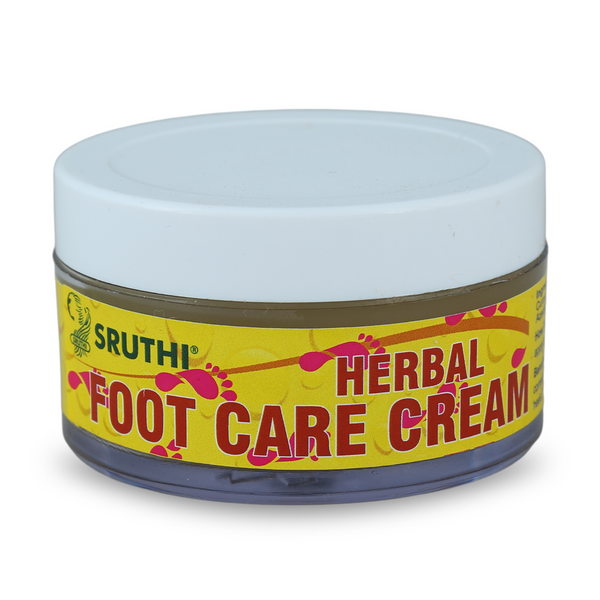
For dry, rough heels, Sruthi Herbal Foot Care Cream with beeswax, turmeric, aloe vera and sesame oil is a gentle night-time choice. Please don't apply any cream on an open wound, and show any cut, blister or colour change to your doctor quickly.
Traditional Ayurvedic support, with your doctor's guidance
Many families also like to include a traditional Ayurvedic formulation in their routine. Sruthi Diab Capsule and Sruthi Diab Powder are traditional Ayurvedic formulations made for people with madhumeha.
Please use them only alongside, never instead of, your prescribed medicine, and only after you speak to your doctor or an AYUSH physician. Herbal formulations can add to the effect of diabetes medicines, so your doctor may want you to check your sugar more often when you start.
When to see a doctor
Keep your regular check-ups and HbA1c tests as your doctor advises. See a doctor quickly if you notice:
- shaking, sweating, sudden hunger, confusion or a racing heart, which can be signs of low sugar
- very high readings, great thirst or passing urine very often
- a cut, blister or wound on the foot that is not healing, or any change in colour
- blurred vision, numbness or tingling in the feet
What to keep close
Food, walking and sleep come first. If you'd like traditional support too, here is what we make, to use with your doctor's advice.


- Sruthi Diab Capsule. A traditional Ayurvedic formulation for people with madhumeha, to take alongside your prescribed medicine after talking to your doctor. Learn more →
- Sruthi Diab Powder. The same tradition in powder form, mixed in warm water. Please ask your doctor before use. Learn more →
- Sruthi Herbal Foot Care Cream. For dry, rough and cracked heels, as part of your nightly foot check. See Foot Care Cream →
Frequently Asked Questions
Which Indian foods are good for a diabetes diet?
Vegetables and greens, dal, chana, rajma, curd, buttermilk, eggs, fish, millets such as ragi and jowar, and whole fruits like guava and orange. Keep rice and roti to about a quarter of your plate.
Can I eat rice if I have diabetes?
Many people with diabetes still eat rice. Keep the portion smaller, fill the rest of the plate with vegetables and dal, eat the vegetables first, and take a short walk after the meal. Your doctor or dietitian can guide you on the right amount for you.
How long should I walk after meals?
Even 2 to 5 minutes of light walking after eating can help. A slow 10 to 15 minute walk after lunch or dinner is a good habit to aim for. Check with your doctor before starting any new exercise.
Which fruits can I eat with diabetes?
Whole fruits such as guava, orange, apple, papaya and jamun, one portion at a time, are usually a better choice than fruit juice. Very sweet fruits like mango and chikoo are best kept small.
Can Ayurvedic products replace my diabetes medicine?
No. Please keep taking your prescribed medicine. Ayurvedic formulations can be used alongside it only after you talk to your doctor or an AYUSH physician, and never as a replacement.
How much sleep do I need?
Most adults do best with about 7 to 8 hours a night. Research links both short and very long sleep with a higher risk of type 2 diabetes, so a regular bedtime really helps.
A final thought
Living with sugar is not one big fight. It is many small, kind choices: a plate with more vegetables, a walk with someone you love, an earlier night, a minute spent looking after your feet. Start with one today. You are not alone, and small steps count.
Sources
- International Diabetes Federation. World Diabetes Day 2026-27: Early action on diabetes.
- Charaka Samhita, Nidanasthana and Chikitsasthana
*For general wellbeing. Not a substitute for medical advice. Please keep taking your prescribed medicine and consult your doctor before starting any Ayurvedic formulation, especially if you are pregnant, nursing, or take other medicines. Our personal care products are cosmetics intended to care for the appearance of the skin. Patch-test before first use.