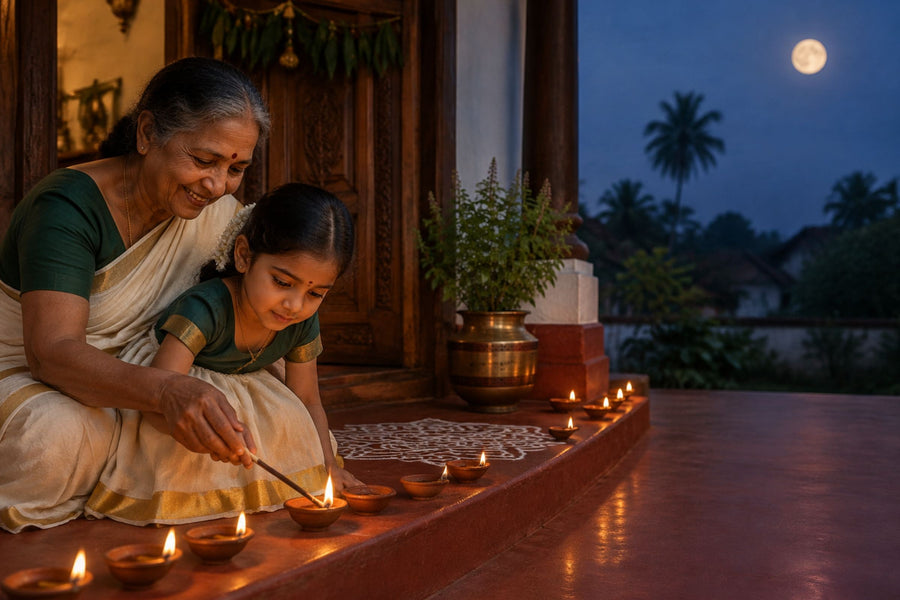
The lamps are packed away. The last box of sweets is half-empty on the counter. Somewhere in the house there is still a little rangoli powder in a corner nobody has swept.
And you? You are tired in a way that sleep doesn't quite fix.
That is normal. For weeks you cleaned, cooked, shopped, hosted and smiled. This guide to after Diwali skin care and self-care is a gentle 7-day reset for your skin, hair, digestion and sleep. No detox teas. No strict rules. Just one small thing each day.
You gave everything to the festival. Give a week back to yourself.
Quick answer
After Diwali skin care starts with a gentle 7-day reset. Cleanse your face every night, take a warm oil bath twice in the week, oil your hair once, eat simple warm meals, walk a little after dinner and go to bed at the same time each night. Small, steady steps help skin and body settle again.
Why you feel so tired after Diwali
It isn't only the late nights. Think about what the last two weeks asked of you.
- Your skin met makeup, smoke from crackers and lamps, and the first dry, cool air of the season.
- Your hair was styled, sprayed and tied up for days in a row.
- Your stomach handled more sweets, fried snacks and late dinners than in the rest of the month put together.
- Your sleep moved later every night, and your body clock went with it.
Then there is the air. In Delhi, the Central Pollution Control Board recorded an AQI of 389, in the "very poor" range, on Dhanteras morning this year, and many North Indian cities see similar smoggy days through November. If your skin feels dull and your throat feels scratchy, you're not imagining it.
Ayurveda would also point to the season. Diwali sits at the turn into Hemanta ritu, early winter, when the air becomes cool and dry. Classical texts recommend warm oil, warm food and a steady routine for exactly this time.
Did you know?
The Charaka Samhita says digestive strength (agni) is at its strongest in early winter. That is one reason traditional winter meals are warm and nourishing rather than light and cold. A reset after Diwali doesn't mean starving yourself. It means eating simply, at regular times.
Why it's so hard to rest after a festival
Here is the part nobody says out loud. During Diwali, you had a reason for everything: guests coming, sweets to make, a house to light up. Then the reason is gone, and the tiredness arrives all at once.
Many of us also feel a little guilty resting. There are still dishes, still leftover boxes, still a routine to restart. But a body that gave this much needs a few quiet days to catch up. Resting now is not lazy. It is how you come back to yourself.
After Diwali skin care: a gentle 7-day reset, one small step a day
One small focus a day. If you miss a day, just carry on from the next one.
Day 1: Rest and water
Do less today. Drink warm water through the day, eat a simple home meal, and go to bed thirty minutes earlier than last night. That's all.
Day 2: Clear your skin
Tonight, take off every trace of makeup and smoke with a mild cleanser, even if it's late. Then press a light moisturiser into damp skin. Sruthi Peach Cream for dewy, hydrated skin is a good light choice for the day after.
Day 3: A warm oil bath
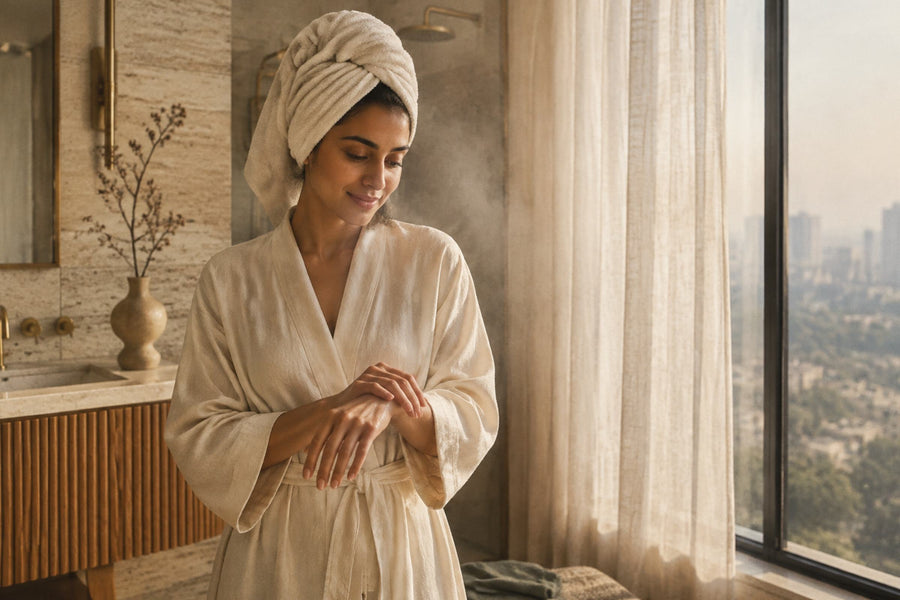
Before your morning bath, massage Sruthi Herbal Skin Care Oil with aloevera and tulsi into your arms, legs and shoulders. Leave it on for 15 to 30 minutes, then wash with warm water. A small 2011 pilot study found people felt less stressed after Ayurvedic oil massage, and after a festival, that matters.
Day 4: Oil your hair
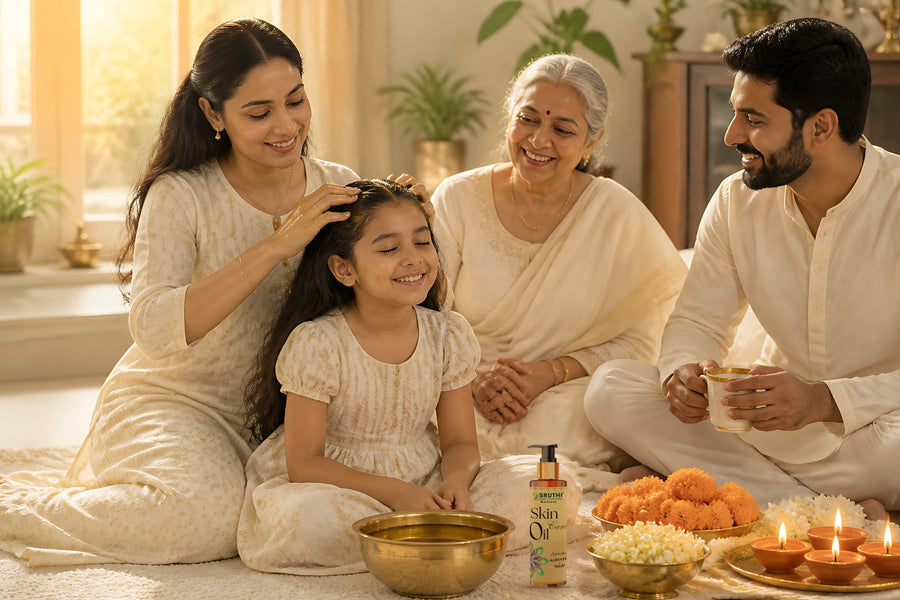
Your hair has been through days of styling. Warm a little Sruthi Hair Care Oil, a traditional sesame-based herbal oil, massage it into your scalp, and leave it for an hour or overnight. Wash with a mild cleanser. Remember how it felt when your mother did this for you? Do it for yourself today.
Day 5: Be kind to your stomach
Move the sweets out of sight. (They will still be there next week. Promise.) Eat warm, simple food: khichdi, rasam rice, dal with roti, steamed vegetables. Sip warm water with a pinch of jeera or ajwain after meals, as many grandmothers suggest. Take a slow ten-minute walk after dinner.
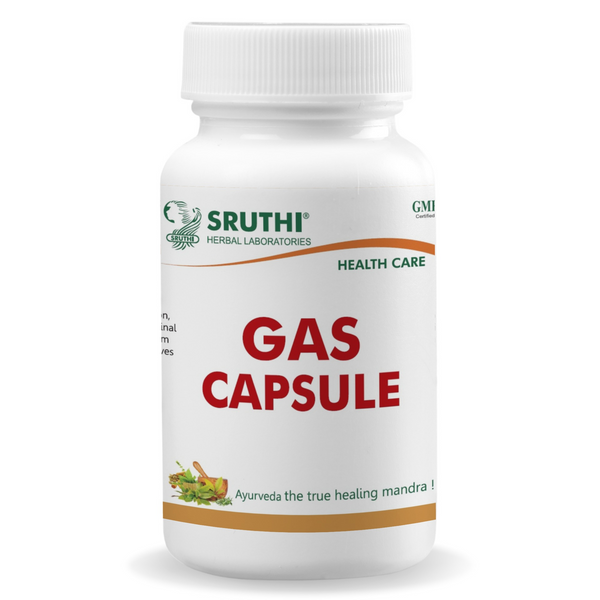
Some families also keep a traditional Ayurvedic digestive formulation at home, such as Sruthi Gas Capsule. If you'd like to try one, ask your doctor or an AYUSH physician first, especially if you take other medicines.
Day 6: Reset your sleep
Pick a bedtime and keep it for the rest of the week. Dim the lights an hour before, put your phone in another room, and rub a little warm oil into the soles of your feet. Our guide to evening rituals for restful sleep has more simple ideas.
Day 7: Notice how you feel
Take your oil bath again. Then sit for five quiet minutes and ask yourself: which of these small things do I want to keep? Most people keep one. One is enough.

If you only remember three things
- Cleanse every night. Smoke, dust and makeup sitting on skin overnight are the main reason it looks dull after the festival.
- Moisturise while skin is damp. The cool, dry air pulls moisture out of skin faster than you expect.
- Oil before you bathe. Twice a week is plenty. It's the oldest winter skin care routine in India for a reason.
On smoggy days, wash your face and hands when you come home, keep windows closed during the worst hours, and if you have asthma or any breathing condition, follow your doctor's advice.
When to see a doctor
Most post-festival tiredness settles within a week of rest and simple food. See a doctor if the tiredness lasts beyond two weeks, if acidity, bloating or stomach pain keep coming back, if your skin breaks out in a rash or itches badly, or if smoggy days make it hard to breathe.
What to keep close this week
If you do only one thing this week, start with the warm oil bath.

- For the warm oil bath: Sruthi Herbal Skin Care Oil with aloevera and tulsi. Massaged in before bathing, it helps skin feel soft and nourished through the dry winter day. One of our bestsellers. Start your oil bath reset →
- For tired, over-styled hair: Sruthi Hair Care Oil. The weekly champi you grew up with, for hair that feels soft and looks glossy. One of our bestsellers. Give your hair a rest →
- For a light glow after cleansing: Sruthi Peach Cream. A light, hydrating cream for skin that feels tight after the festival. See Peach Cream →
- A traditional digestive formulation: Sruthi Gas Capsule. A traditional Ayurvedic formulation to discuss with your doctor before use. Learn more →
If you missed it, our Diwali oil bath guide explains the traditional abhyanga snana step by step. It works just as well the week after.
This week, it's your turn.
Start with one warm oil bath. Shop Herbal Skin Care Oil · Shop Hair Care Oil · See all bestsellers
Frequently Asked Questions
How do I take care of my skin after Diwali?
Cleanse every night to remove makeup, smoke and dust, moisturise while your skin is still damp, and take a warm oil bath once or twice a week. Drink enough water and get back to regular sleep.
Why does my skin look dull after Diwali?
Late nights, heavy makeup, smoke from crackers and lamps, rich food and the dry early-winter air all add up. A few days of simple, steady care usually helps skin feel and look fresher.
Do I need a detox after Diwali?
You don't need a strict detox. Simple warm meals at regular times, enough water, a short walk after dinner and good sleep are a kinder way to help your body settle.
How often should I oil my hair after the festival?
Once or twice a week is enough. Massage warm oil into your scalp, leave it for an hour or overnight, and wash with a mild cleanser.
What should I eat after Diwali?
Warm, simple home food such as khichdi, dal, rice, roti and steamed vegetables. Cut back on sweets and fried snacks for a few days, and sip warm water through the day.
How do I protect my skin from post-Diwali pollution?
Wash your face and hands when you come indoors, cleanse before bed, keep windows closed during the smoggiest hours, and moisturise well. If you have a breathing condition, follow your doctor's advice on going outdoors.
A final thought
You spent the festival making sure everyone else felt welcome, fed and happy. Who looked after you? This week, let the answer be: you did.
Sources
- Business Today, Delhi pollution: AQI hits 389 on Dhanteras morning (CPCB data), 6 November 2026.
- Basler AJ. Pilot study investigating the effects of Ayurvedic Abhyanga massage on subjective stress experience. Journal of Alternative and Complementary Medicine, 2011.
- Charaka Samhita, Sutrasthana
- Ashtanga Hridayam, Sutrasthana
*For general wellbeing. Not a substitute for medical advice. Consult your doctor if you are pregnant, nursing, or have a medical condition. Our personal care products are cosmetics intended to care for the appearance of the skin and hair. Patch-test before first use.